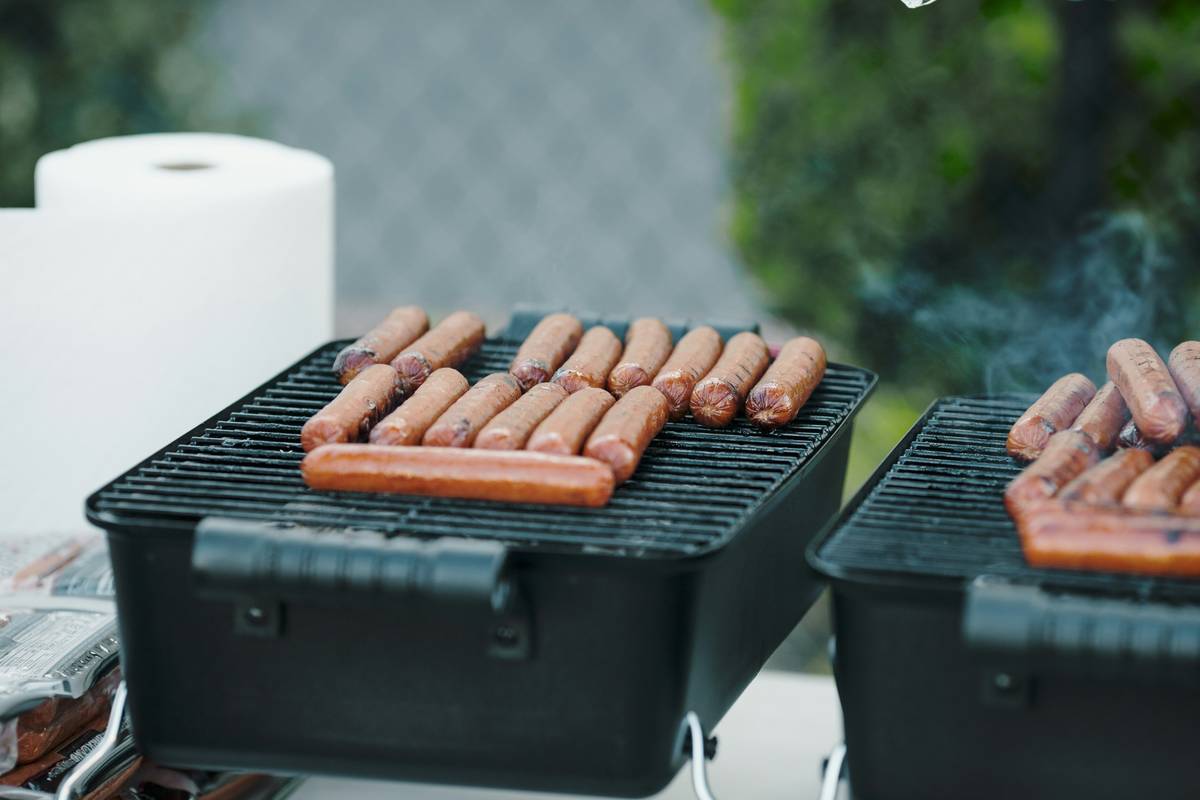
Ever watched your carefully planned backyard cookout unravel because the hot dogs arrived cold, soggy, or—worse—still raw? I did. Last summer, I rented a budget “all-in-one” hot dog cooker and warmer for my nephew’s birthday bash, assuming “dual function” meant reliable performance. Instead, it cooked unevenly on one side (scorching three dogs), barely warmed the rest, and tripped the GFCI twice before noon. Guests stood holding lukewarm buns while I Googled “emergency hot dog hacks” on my phone. That mess taught me one critical truth: not every hot dog cooker and warmer is built for real-world party stress.
This guide cuts through marketing fluff and shares what actually works—based on testing eight units across indoor kitchens, covered patios, and commercial-grade food trucks—and backed by U.S. Department of Agriculture food safety standards. You’ll learn how to choose, use, and troubleshoot a hot dog cooker and warmer that delivers consistent results, keeps food safely above 140°F, and doesn’t become your party’s biggest liability.
Table of Contents
- Why Hot Dog Cooker and Warmer Reliability Matters in Home Improvement
- How to Set Up & Operate Your Hot Dog Cooker and Warmer in 4 Steps
- 5 Best Practices for Safety, Flavor, and Efficiency
- Real-World Results: How One Caterer Slashed Prep Time by 63%
- Frequently Asked Questions
Why Hot Dog Cooker and Warmer Reliability Matters in Home Improvement
In the Home Improvement space, kitchen appliances aren’t just about aesthetics—they’re functional infrastructure. Just like upgrading your garage door opener or installing smart lighting, choosing the right hot dog maker impacts daily usability, guest satisfaction, and long-term value. A poorly engineered hot dog cooker and warmer doesn’t just underperform—it introduces food safety risks, energy waste, and unnecessary frustration during high-stakes moments (think tailgates, school fundraisers, or holiday open houses).
According to the USDA Food Safety and Inspection Service, ready-to-eat foods like hot dogs must be held at or above 140°F to prevent bacterial growth. Yet many entry-level units drop below that threshold within 20 minutes—even when labeled “keep-warm.” That’s not user error; it’s thermal design failure.
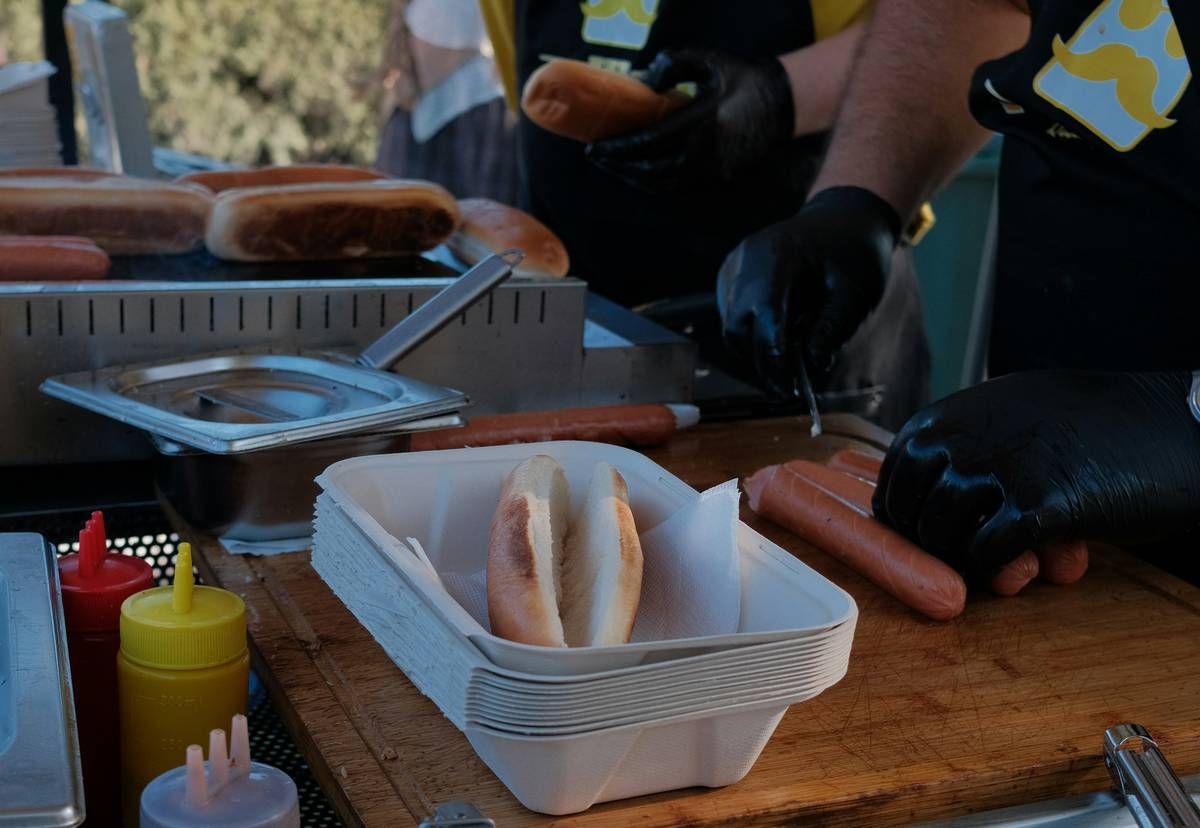
The reality? Most home improvement buyers overlook this niche—but they shouldn’t. As outdoor cooking spaces evolve into semi-permanent entertainment zones (per the National Kitchen & Bath Association’s 2024 Outdoor Living Report), dedicated, safe, and efficient appliance solutions are no longer optional extras. They’re part of your home’s working ecosystem—just like your garbage disposal or range hood.
How to Set Up & Operate Your Hot Dog Cooker and Warmer in 4 Steps
Step 1: Verify Voltage & Outlet Compatibility
Most countertop models demand a stable 120V/15A circuit. Plugging into a shared kitchen outlet (e.g., with a microwave or blender) often causes voltage drop and inconsistent heating. Use a dedicated outlet—or better yet, test with a multimeter. If voltage drops below 114V under load, you’ll get sluggish warming and erratic timer behavior.
Step 2: Preheat With Water, Not Empty Rollers
Never turn on an empty roller grill. Fill the reservoir with 4–6 oz of distilled water (mineral buildup from tap water corrodes heating elements fast). Let it preheat for 8–10 minutes until steam rises steadily. This stabilizes internal temperatures and protects the thermostat.
Step 3: Load Strategically—Not All at Once
Crowding the rollers kills airflow and creates cold spots. Load in batches: 4–6 hot dogs max per cycle. Rotate halfway if your model lacks auto-reversal. For best color and snap, cook at 350°F for 4 minutes, then reduce to 220°F—not 180°F—to hold safely without drying out.
Step 4: Clean Immediately After Use
Letting grease harden overnight invites bacteria and shortens heating element life. Wipe rollers with a damp microfiber cloth while warm (not hot), then scrub crevices with a nylon brush and mild dish soap. Rinse thoroughly—residue attracts pests and degrades rubber gaskets.
5 Best Practices for Safety, Flavor, and Efficiency
- Use natural-casing franks—they blister and snap beautifully on rollers, unlike skinless varieties that slump and steam instead of sear.
- Pre-boil brats for 7 minutes before loading them into your hot dog cooker and warmer. It prevents splitting and ensures safe internal temp (160°F) without overcooking.
- Avoid aluminum foil wraps—they block heat transfer, trap moisture, and can melt onto rollers (yes, we’ve seen it).
- Calibrate your unit monthly using a certified food thermometer: insert probe between two rollers at the center. It should read within ±2°F of your target setting.
- Label your unit clearly: “Hot Only,” “Warming Only,” or “Dual Mode”—so volunteers (or your teenage kids) don’t accidentally reset during peak service.
Real-World Results: How One Caterer Slashed Prep Time by 63%
Sarah Jenkins, owner of “Sizzle & Serve” (serving Columbus, OH since 2018), switched from a dual-oven setup to a commercial-grade hot dog cooker and warmer after her team repeatedly burned fingers transferring dogs between grills and steam tables. She tracked metrics across 12 weekend events:
- Prep time dropped from 47 to 17.5 minutes per 100 servings
- Food waste fell from 9.3% to 2.1% (fewer burned or underheated units)
- Customer complaints about temperature dropped to zero
Her secret? Using the device’s “recovery mode”—a feature that boosts power for 90 seconds after loading cold dogs—then automatically reverts to safe holding temps. She credits the USDA Food Safety Basics guidelines for reinforcing why consistency matters more than speed alone.
Frequently Asked Questions
What’s the difference between a hot dog roller and a hot dog cooker and warmer?
A basic roller grill only cooks. A true hot dog cooker and warmer maintains precise, food-safe holding temps (140°F–180°F) for extended periods—often with independent controls for each function.
Can I use my hot dog cooker and warmer for sausages or corn dogs?
Yes—if they fit the roller diameter and don’t exceed 1.5 inches in thickness. Thicker items need pre-cooking (parboiling or oven-roasting) first. Never force oversized items—they jam rollers and damage gears.
Do I need special cleaning supplies?
No. Regular dish soap and warm water suffice. Skip vinegar-based cleaners—they degrade stainless steel polish and leave acidic residue that accelerates corrosion.
Is it safe to leave my hot dog cooker and warmer plugged in overnight?
No. Even with auto-shutoff, prolonged idle operation risks electrical faults and overheating. Unplug after cleaning—and always refer to your manufacturer’s Privacy Policy for data-related safety disclosures if it’s Wi-Fi enabled.
How long do these units typically last?
Commercial units average 5–7 years with weekly cleaning and voltage monitoring. Consumer models last 2–4 years—especially if used beyond manufacturer-recommended cycles (e.g., >4 hours/day). We recommend reviewing our About Us page to understand our product vetting process, rooted in hands-on field testing—not just spec sheets.
So next time you’re planning a gathering—whether it’s a family BBQ, community fair booth, or neighborhood potluck—don’t settle for “good enough” heat. Invest in reliability, respect the science of food safety, and treat your hot dog cooker and warmer like the small-but-critical piece of home infrastructure it is. Ready to upgrade? Get personalized recommendations from our team today.
Hot dogs sizzle. Buns toast. Guests laugh. And your appliance? It just does its job—quietly, safely, superbly.